Lawn Care in East Ham: Practical Tips, Seasonal Advice, and Local Solutions for a Healthier Garden
If you are looking for reliable lawn care in East Ham, you are not alone. Many homeowners, landlords, and tenants in this busy East London area want a lawn that looks neat, feels comfortable underfoot, and stands up well to changing weather, urban soil conditions, and regular use. Good lawn care in East Ham is not just about cutting grass every now and then. It is about understanding the local environment, choosing the right approach for the time of year, and maintaining healthy turf in a way that suits your property and lifestyle.
East Ham lawns often face a mix of challenges that are common in inner and outer London. These can include compacted soil, patchy shade, heavy foot traffic, pollution, and periods of dry weather followed by sudden rain. With the right approach, however, your grass can still thrive. Whether you have a small front lawn, a family garden, or a shared outdoor area, effective lawn care East Ham services and routines can make a noticeable difference.
In this article, we will explore the essentials of lawn care in East Ham, from mowing and feeding to aeration, weed control, and seasonal maintenance. You will also find practical advice on improving lawn health, solving common turf problems, and choosing the best time to carry out important tasks. If you want a greener, stronger lawn that looks good throughout the year, keep reading.
Why Lawn Care in East Ham Needs a Local Approach
![A young woman working in a greenhouse or garden centre, wearing a green apron and bright green gardening gloves, is tending to small seedlings planted in a raised bed. She is focused on carefully handling the plants with a small gardening tool, possibly planting or weeding. The raised bed contains dark, moist soil with young green plants growing uniformly. In the background, there are rows of similar seedling trays on elevated white shelves, with a blurred view of more plants and a bright, natural outdoor setting beyond the greenhouse. The environment appears well-lit with natural daylight, suggesting a mild or cloudy day. This scene exemplifies professional gardening or horticultural activity, possibly carried out by landscapers like Landscapers East Ham, who offer garden planting and maintenance services in East Ham and surrounding areas, including [POSTCODE].](/pub/_photos/gardening/f1299741040.jpg)
Every area has its own conditions, and lawn care in East Ham is no exception. Local gardens are often influenced by the urban setting, which means lawns may not always enjoy the same level of sunlight, airflow, and soil quality as gardens in less built-up locations. Many properties in East Ham also sit on land that has been compacted over time, especially if the garden has seen frequent use or building work.
Another factor is weather variation. East Ham lawns can experience damp winters, periods of heavy rainfall, and dry summer spells that stress the grass. If you want to make lawn care in East Ham effective, you need to work with these conditions rather than against them. That means choosing the right mowing height, improving drainage where needed, and feeding the lawn at suitable times.
It also helps to think about how the lawn is used. A decorative lawn in a quiet back garden has different needs from a busy family lawn or a front lawn exposed to street dust and wear. Professional lawn care in East Ham often takes these details into account, ensuring the lawn gets the right treatment for its setting and purpose.
The Foundations of Healthy Lawn Care East Ham Residents Can Rely On

Before looking at seasonal tasks, it is important to understand the basic ingredients of a healthy lawn. Good lawn care in East Ham begins with healthy soil, suitable grass species, proper mowing, and consistent attention. A lawn may look simple on the surface, but beneath the grass blades there is a living system that needs air, nutrients, water, and room to grow.
The first foundation is soil structure. If the soil is compacted, roots struggle to develop and water cannot penetrate properly. In that case, even regular watering may not help much. Aeration, top dressing, and regular scarifying can all improve the condition of the soil and allow grass roots to grow more deeply.
The second foundation is lawn maintenance timing. East Ham lawn care works best when carried out regularly instead of being left until the grass becomes overgrown or weak. Small, steady improvements usually produce better results than occasional drastic interventions. This applies to mowing, feeding, weed management, and watering.
Key elements of a healthy lawn
- Proper mowing to avoid cutting the grass too short
- Regular feeding to replace lost nutrients
- Watering wisely during dry periods
- Aerating compacted soil to improve root growth
- Controlling weeds and moss before they spread
Seasonal Lawn Care in East Ham

One of the smartest ways to manage lawn care in East Ham is to follow the seasons. Each season brings different needs, and your lawn will respond best when care is adjusted accordingly. A seasonal approach keeps maintenance manageable and helps the grass stay healthy year-round.
In spring, lawns begin to wake up after winter dormancy. This is the ideal time to clear debris, assess damage, and start feeding the grass. Spring is also a good period for aeration if the soil feels hard or waterlogged. Light scarifying can remove thatch and moss, allowing new growth to emerge more easily.
Summer lawn care in East Ham focuses on keeping the grass resilient during heat and dry spells. Mowing height becomes especially important because longer grass helps shade the soil and retain moisture. Watering should be done deeply and less frequently rather than with shallow, frequent sprinkling. In autumn, the goal is to repair summer wear, reduce moss buildup, and prepare the lawn for winter. Winter maintenance is more about protecting the turf from damage and avoiding unnecessary stress.
Seasonal priorities at a glance
- Spring: clean, feed, aerate, and repair
- Summer: mow carefully and water deeply
- Autumn: overseed, feed, and reduce thatch
- Winter: avoid heavy traffic and protect the surface
Mowing: A Crucial Part of Lawn Care East Ham Gardens Need

Mowing is one of the most visible parts of lawn care in East Ham, yet it is also one of the most misunderstood. Cutting the grass is not just about keeping it short and tidy. The way you mow influences root strength, moisture retention, weed resistance, and the overall appearance of the lawn. A well-mown lawn looks healthier and recovers faster from stress.
As a general rule, avoid cutting too much at once. Taking off more than one-third of the grass height in a single mow can shock the turf. This is especially important during dry weather or after periods of heavy rain. For lawn care East Ham homeowners can trust, consistency matters more than chasing a perfect short cut every time.
Sharp mower blades also make a huge difference. Dull blades tear the grass rather than cutting it cleanly, leaving ragged edges that can turn brown or invite disease. If you want better results from your lawn care in East Ham, keep your mower well maintained and adjust the cutting height depending on the season.
Helpful mowing tips
- Mow regularly to keep growth even and manageable
- Raise the cutting height in hot or dry weather
- Leave clippings only if they are light and dry
- Change direction occasionally to reduce soil compaction
- Do not mow frozen or waterlogged grass
Feeding, Watering, and Improving Soil Quality
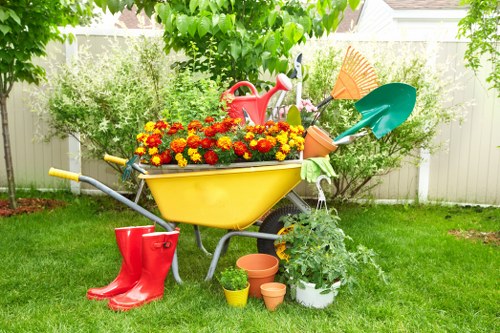
Feeding and watering are major parts of effective lawn care in East Ham. Grass uses nutrients as it grows, and without replenishment, lawns can become thin, dull, and patchy. Fertiliser helps restore the nutrients that mowing and weather gradually remove. Choosing the right product at the right time can encourage stronger roots, greener colour, and better resistance to weeds.
It is usually best to feed the lawn in spring and autumn. Spring fertiliser supports new growth, while autumn feed helps the grass recover and store energy for winter. Some products are designed to be fast acting, while others release nutrients more slowly over time. The best choice depends on the condition of your lawn and how quickly you want to see results.
Watering is equally important, especially during dry spells. The aim is to encourage deep root growth rather than shallow surface roots. That means watering thoroughly but not too often. Lawns in East Ham that receive regular, proper watering are usually better able to cope with summer stress and stay greener for longer. Alongside watering, improving the soil through top dressing or compost can make a lasting difference.
Ways to improve soil and feeding results
- Test the soil if grass growth is poor or uneven
- Aerate compacted areas with a garden fork or machine
- Apply top dressing to improve texture and drainage
- Use a balanced fertiliser suitable for your lawn’s condition
- Water deeply during prolonged dry periods
Weed, Moss, and Patch Control in East Ham Lawns
Weeds and moss are common frustrations for anyone dealing with lawn care in East Ham. They often appear when the grass is weak, the soil is compacted, or the lawn is underfed. Moss is especially likely to spread in shady, damp, and poorly drained areas, while weeds can take advantage of bare patches and thin turf. The good news is that these issues are manageable when addressed early.
Weeds such as dandelions, clover, and plantain can compete with the grass for light and nutrients. Moss tends to be a sign of deeper issues rather than a problem on its own. If you simply remove the moss without improving drainage or feeding the lawn, it is likely to return. That is why effective East Ham lawn care should focus on the cause as well as the visible symptom.
Patchy areas may need overseeding. This means spreading fresh seed over thin or bare sections so that new grass can fill the gaps. Overseeding is especially useful after scarifying, aeration, or winter damage. If the lawn has large damaged areas, a more targeted repair may be needed. The aim is always to restore dense growth so weeds have fewer opportunities to settle in.
Common lawn problems and possible solutions
- Thin grass: feed, overseed, and improve mowing habits
- Moss growth: reduce shade, aerate, and improve drainage
- Weeds: remove early and strengthen the turf
- Bare patches: reseed and protect from heavy traffic
- Yellowing: check watering, feeding, and soil condition
Lawns in Small Gardens, Front Gardens, and Shared Spaces
Lawn care in East Ham varies depending on the type of outdoor space. In small gardens, the priority may be to create a tidy, attractive finish without demanding too much maintenance. In front gardens, the focus may be on appearance, resilience, and low mess. Shared outdoor spaces need a balanced approach that keeps the area neat while supporting repeated use.
For smaller lawns, it often helps to keep the maintenance routine simple and regular. Light, frequent mowing and careful feeding are usually enough to keep the space looking smart. In larger or shared spaces, a more structured plan may be needed, especially where foot traffic is high. This might include seasonal aeration, regular scarifying, and more active weed control.
Whatever the size of the lawn, it is important to match the care to the use. A family lawn used for play will need more durability than a decorative lawn that is mainly for visual effect. For many residents, the best lawn care in East Ham is the kind that balances appearance, practicality, and low maintenance.
Things to consider for different lawn types
- Shade levels and how much light the lawn receives
- Foot traffic from children, pets, or visitors
- Drainage and how quickly water disappears after rain
- Maintenance time available each week or month
- Desired appearance from natural and relaxed to sharp and formal
Professional Lawn Care in East Ham vs DIY Maintenance
Many people enjoy looking after their own garden, and DIY lawn care can work well for smaller, straightforward lawns. However, some situations benefit from professional help. If the lawn is heavily compacted, very patchy, badly infested with weeds, or suffering from persistent moss, a professional service may save time and produce better long-term results.
Professional lawn care in East Ham usually involves more than a simple mow. It may include aeration, scarifying, feeding, overseeding, edging, weed treatment, and seasonal treatment plans. A trained lawn specialist can also spot early signs of disease, poor drainage, or nutrient imbalance before they become larger issues.
DIY maintenance, on the other hand, is often ideal for routine tasks. If you have the time and equipment, you can keep your lawn in good shape by mowing properly, watering when needed, and feeding at the right times. Many East Ham residents combine both approaches: they handle regular upkeep themselves and call in extra support for more demanding jobs.
When to consider professional help
- Persistent moss or weeds despite regular care
- Drainage problems after rainfall
- Uneven or compacted ground affecting growth
- Large areas of damage or thinning grass
- Limited time to keep up with regular maintenance
Making Lawn Care in East Ham More Sustainable
Modern lawn care in East Ham can also be more environmentally thoughtful. Many homeowners want a lawn that looks good without wasting water or relying too heavily on chemicals. Sustainable lawn care focuses on efficiency, healthy growth, and long-term resilience rather than quick fixes.
There are several ways to make your lawn care routine more sustainable. One is to mow less aggressively and let the grass grow slightly longer in dry weather. Another is to improve soil health naturally through aeration and compost-based top dressing. Choosing the right grass seed for your site can also reduce the need for constant repair. A stronger lawn needs fewer inputs over time.
You can also reduce waste by using grass clippings wisely when they are not too thick, or by composting garden waste if appropriate. Even simple changes like watering at cooler times of day can improve efficiency. Sustainable lawn care East Ham households can adopt often leads to healthier grass and lower maintenance in the long run.
Simple sustainable habits
- Water early or late to reduce evaporation
- Mow at a higher setting during hot spells
- Improve soil naturally with compost and aeration
- Use grass seed suited to shade or traffic
- Address problems early before they spread
How to Build a Lawn Care Routine That Works
Consistency is the secret to successful lawn care in East Ham. A lawn does not need an elaborate routine, but it does need a plan. Setting aside a little time each week or month can prevent common problems and keep the grass looking its best. The ideal routine depends on your lawn size, weather exposure, and how much use the garden gets.
Start with a simple maintenance schedule. Mow regularly during the growing season, inspect for weeds and bare spots, and feed the lawn when required. Check for signs of compaction or poor drainage after heavy rain. In autumn, remove leaves and debris so the grass can breathe. In winter, avoid walking on frosty or saturated turf whenever possible.
By following a routine, lawn care in East Ham becomes easier to manage and far more effective. Small efforts add up quickly, and a lawn that is cared for consistently usually looks better, grows more evenly, and needs fewer major repairs.
Final Thoughts on Lawn Care East Ham Homeowners Can Depend On
Good lawn care in East Ham is about more than keeping grass short. It is about understanding your lawn’s unique needs, working with the local conditions, and maintaining the turf in a steady, practical way. From mowing and feeding to aeration and seasonal care, every part of the routine contributes to a stronger, healthier lawn.
Whether you are managing a compact back garden, a front lawn, or a shared green space, the principles are the same: care regularly, respond early to problems, and adapt your approach as the seasons change. With the right treatment, even a lawn affected by shade, traffic, or compacted soil can improve over time.
If you want better results from your outdoor space, now is the right time to take action. Contact us today to discuss your lawn needs, or book your service now and give your garden the attention it deserves. With the right support, lawn care in East Ham can be straightforward, rewarding, and highly effective.

